

About the Project
About The Project
Project Direction:The Japan Foundation
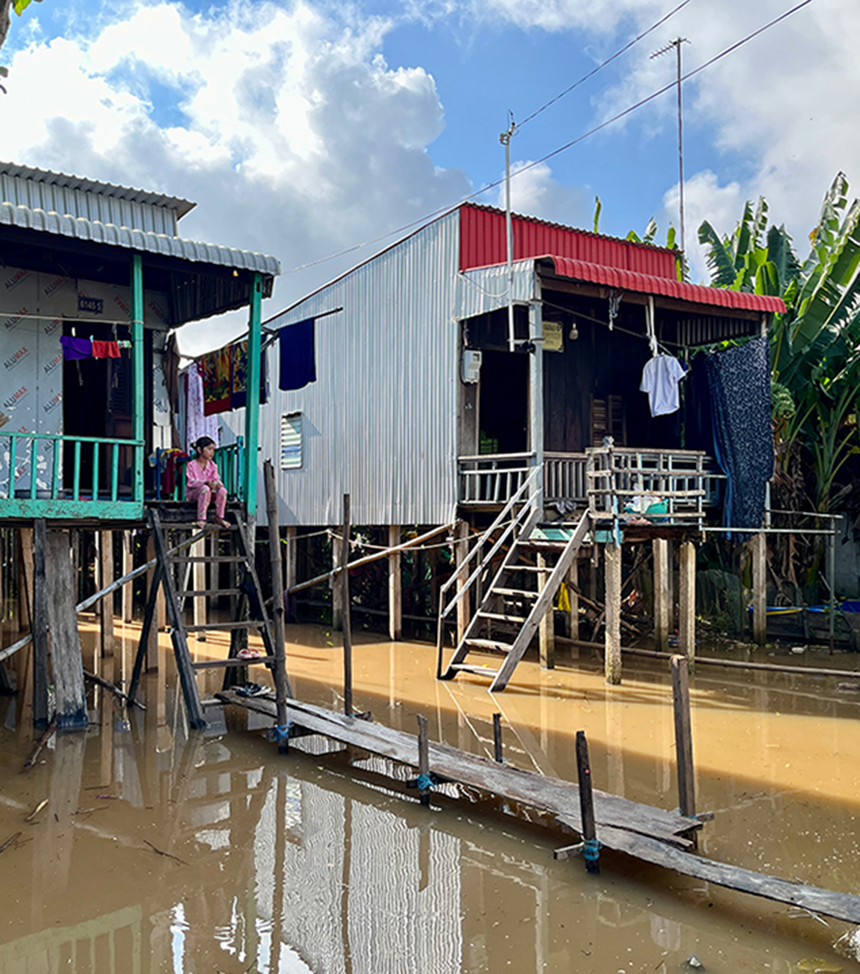
Since 2023, the Japan Foundation has been collaborating with aesthetician Asa Ito, professor at the Institute of Science Tokyo, on the project Care in Southeast Asia. The website Care Toolbox curates local care practices encountered during research visits to cities across Asia—specifically in Indonesia, the Philippines, Vietnam, and Taiwan—building a living archive in the truest sense of the term. Looking forward, we also intend for this platform to foster dialogue and deeper reflection on the topic of care.
This effort draws on the knowledge, works, and life experiences of an eclectic group of people—researchers, artists, practitioners, government and NGO staff, activists, migrant workers engaged in care and domestic work, people with disabilities, and residents of informal settlements. Through their essays and critical writings, illustrations and animations, artworks, and dialogues, they shared the care practices rooted in their respective communities. We also plan to hold—on an ongoing basis—talks, roundtable discussions, and other events concerning these care practices and to post information about them on this site.
In this project, the word “care” refers to the wisdom people draw upon and the practices they employ in dealing with the everyday challenges of their lives. When hearing the word “care,” people may think of practices associated with nursing, caregiving, or welfare—or they may associate it with compassion or kindness toward others. Although care can certainly take the form of consideration for others and mutual support, it can also involve active negotiation and strategic exchange in the effort to reach workable solutions.
Social legislation and institutions can also be a form of care in that they offer solutions to everyday challenges. At the same time, care can be informal, such as what might take place on the street—practices that are not planned or organized but are instead customary within a society, community, kinship network, or family. Formal, structured care—which can reach many people—is efficient but limited in its ability to address individual circumstances outside the norm. Informal care, by contrast, is flexible and can improvise responses to real and immediate situations, but it often relies heavily on individual resources. When a society relies exclusively on informal care, those who live within it inevitably become exhausted over time.
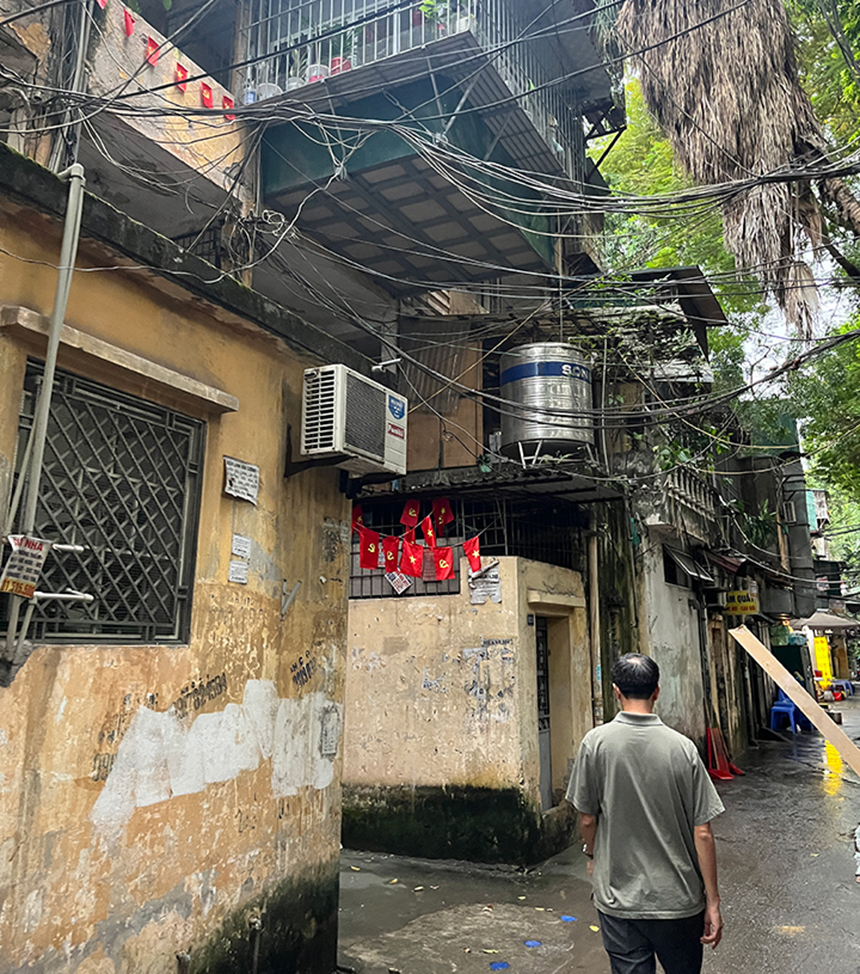
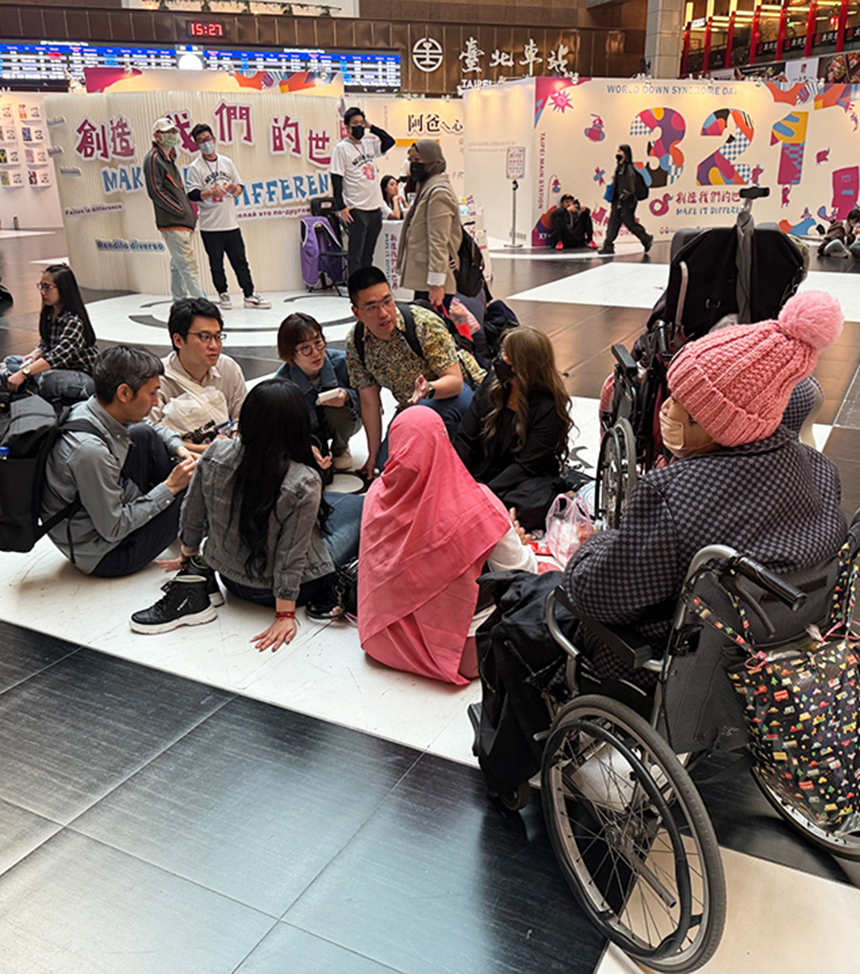
Even countries that have highly developed legal and institutional systems for efficient social governance are realizing that such systems alone are insufficient for dealing with increasingly complex care challenges. Those who work within structured care and established rules can gain considerable insight from exposure to informal care—with its flexibility, creativity, and resourcefulness. And now, the ingenuity and practical wisdom of informal care is being used to address social issues that existing institutions and regulations have been unable to resolve.
Countries currently experiencing rapid economic growth and developing their own care systems may witness this evolving situation and see a way forward for their societies. For these countries, there is value not only in learning about care practices in other countries and regions but also in observing how other countries, such as Japan, perceive and assign meaning to local care practices. By incorporating both formal and informal forms of care in this initiative, we want to encourage people in Japan, across Asia, and around the world to contemplate the meaning of care and how to approach it—and in the process engage in dialogue on the future and shape of society.
This initiative also has another objective: to illuminate the global entanglements of care as they exist today. In Japan, for example, the formal, institutional systems of care we rely on are increasingly sustained by workers from abroad. In Taiwan, the involvement of migrant care providers is even more visible. Meanwhile, these individuals, many of whom are parents, have left behind in their own countries family members who are often cared for informally by extended families and local communities. By highlighting these complex and entangled threads of care, we invite you to join us in thinking together about care and society.
What Is A Living Archive from Asia?
Care Toolbox Curator:Asa Ito
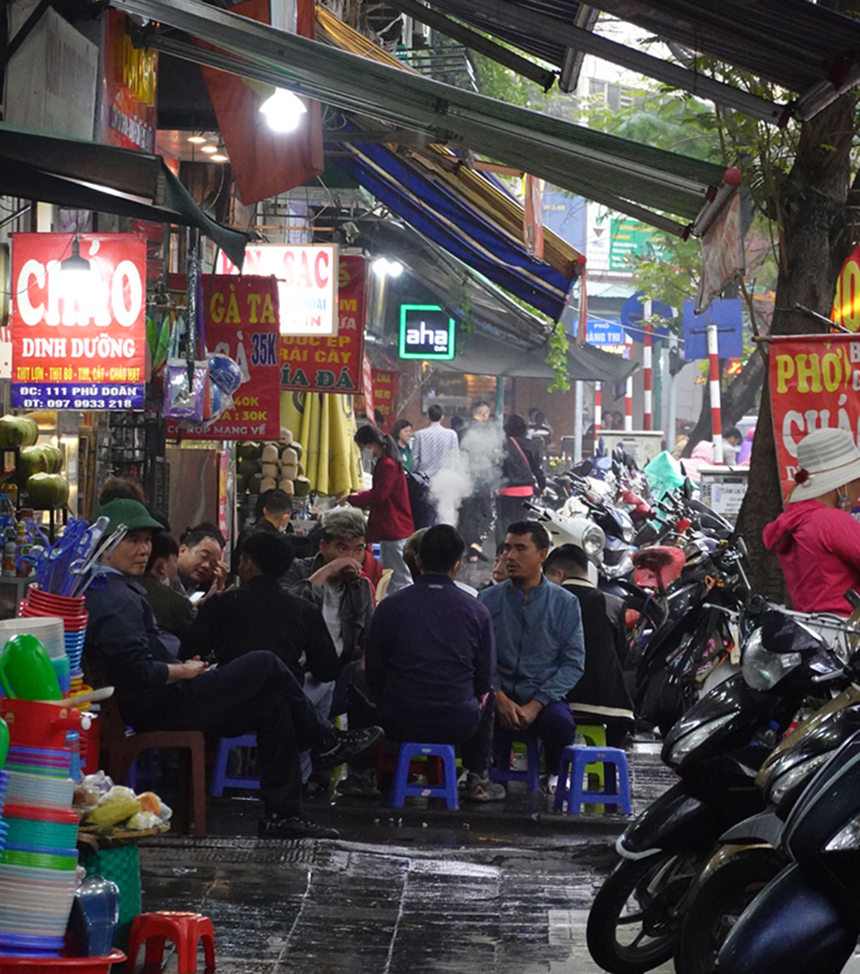
Welcome to Care Toolbox. This site is both an illustrated compendium of local care practices found across Asia and a searchlight on their web of global connections.
Our everyday lives are sustained by how we care for one another—sharing limited resources, working together to repair homes and roads damaged by disasters, passing on information or skills that might be useful, or simply sitting together by the roadside laughing off our hardships. Using our own ingenuity, we can help someone in difficulty find a way forward or prevent a conflict between people with opposing views. We adapt our responses to different situations, which allows us and those in our communities to continue to function normally. Experiencing empathy and acting on it is at the heart of care.
Care practices vary widely, shaped by local climate and history as well as religion, industry, and government. Care in Western countries is different from that in Asia—and even within Asia, it differs from country to country and region to region. There are differences in care between ethnic groups within the same country or region and between urban and rural areas—it sometimes even varies from one street to the next. No matter how interconnected the world has become, care remains a local practice. All forms of care are indigenous to their own place of origin, making care itself fundamentally a natural phenomenon.
This project faces an almost impossible challenge: to bring these unique forms of care from their native habitats and present them together in a single shared space. For now, however, the scope is limited to Southeast Asia—specifically Indonesia, the Philippines, Vietnam—as well as Taiwan. With the help of local residents, artists, and researchers, we have sought to faithfully capture the everyday practices of care occurring in a wide range of settings—along roadsides, in parks, and within neighborhood associations, squatter communities, evacuation shelters, and elsewhere.
Why do we want to do this? Because even if care is inherently local, we believe that learning about the care practices of others can offer ideas for transforming our own practices. What feels natural to a local community and taken for granted as the best approach may in fact not be so in an environment of social change. In such circumstances, one’s exposure to care practices from other regions could open up new possibilities. To know others is to know oneself. We hope that the practices shared in this Care Toolbox will also serve those who care for others. After all, we believe that every person is both a caregiver and a care receiver.
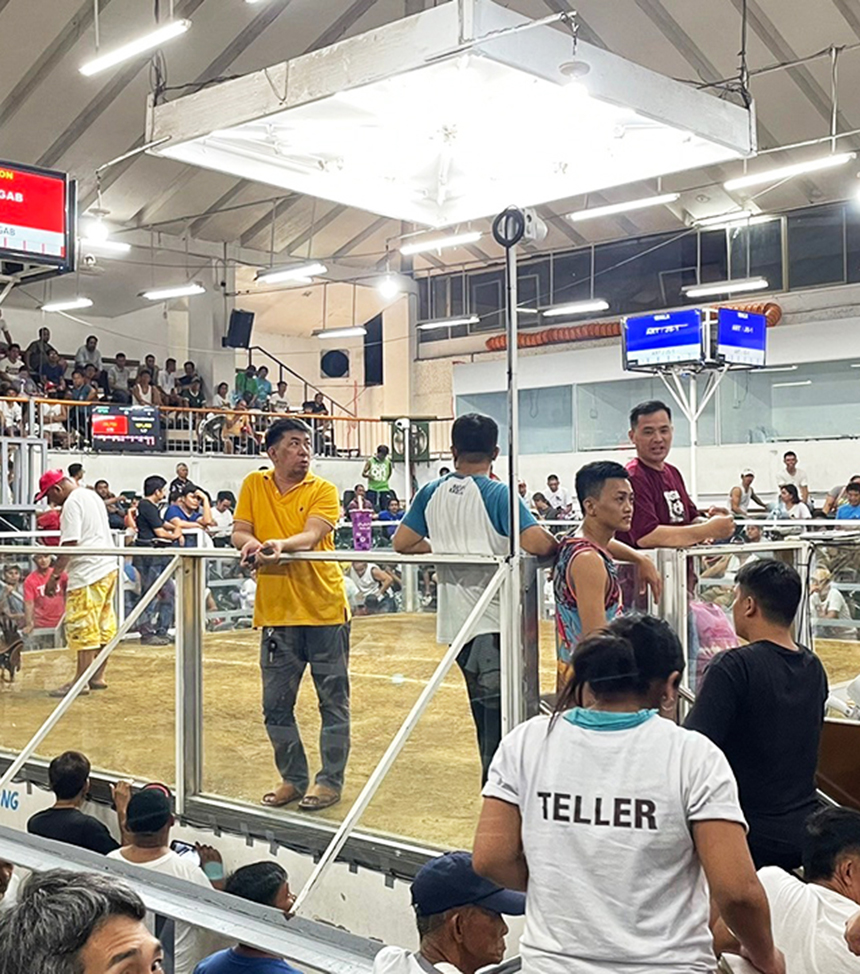
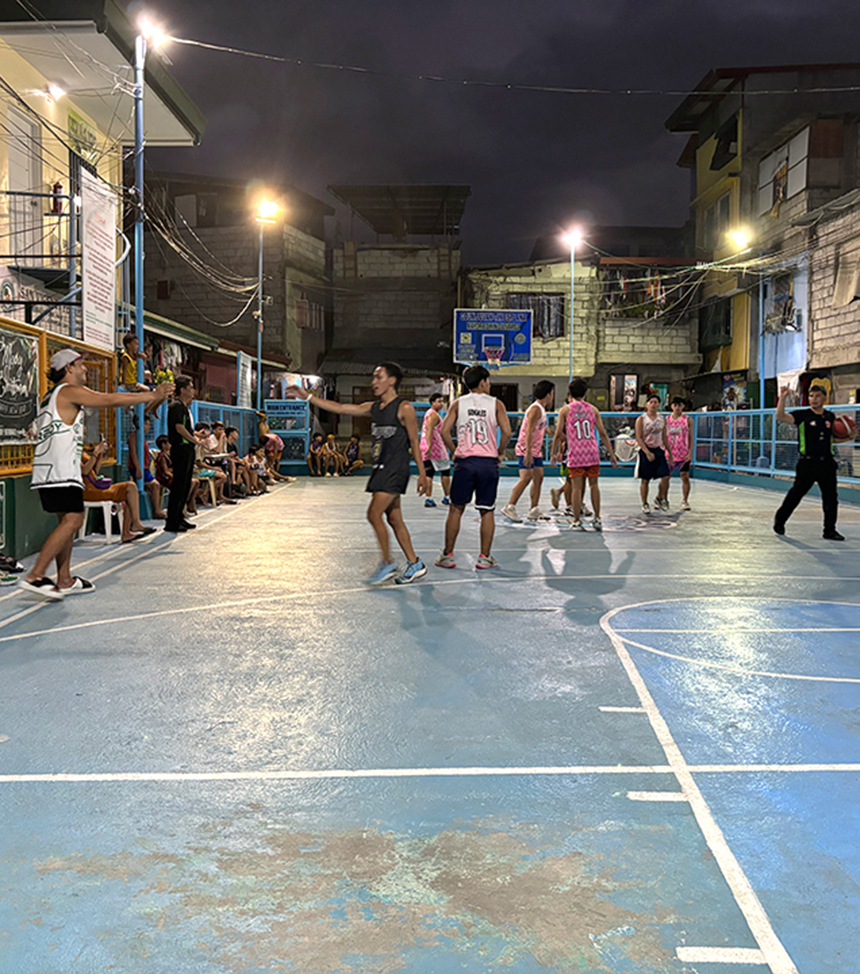
Indigenous care practices may appear resilient and even virtuous. Yet by viewing them with an uncritical eye, we risk missing the whole story. Each individual act of care raises a deeper question: why does this person feel compelled to provide care in this way? If residents must repair roads themselves, it may be due to government inaction. If floods strike year after year, perhaps climate change or structural poverty is to blame. Perhaps the real reason people must provide care in a particular place is that the burdens of economic development and efficiency are unevenly or persistently concentrated there.
In particular, the issue of migrant labor gives rise to complex, transnational patterns of care. Indonesia, the Philippines, and Vietnam, featured in this project, are nations from which large numbers of migrant workers move overseas in pursuit of foreign income. On the opposite side, Taiwan and Japan accept migrant workers from these countries to address domestic labor shortages. When a mother leaves her family for years at a time to care for children in another country, her own children back home are inevitably deprived of her care. Migrant workers often experience harsh working conditions, turning them into people who eventually need care themselves. These workers will likely support one another using their own local care practices, thereby introducing those practices into the societies and communities of the host country. Such exports of local care practices may, in turn, bring about transformations in how care is understood and practiced in the host country.
Care is a window that allows us to see what lies directly in front of us and at the same time what lies far beyond us. The near and the far are deeply entangled—caught in conditions that cannot easily be undone. Pull on one thread here, and something unravels far away; pull on another thread there, and an unexpected tug is felt here. We ourselves are part of these intractable patterns of care practices across different places. We hope that through Care Toolbox, you will discover and reflect on these complex interconnections.
- Movie/Video
- Talk
Rethinking Care: Laughter Shapes Care in the Philippines
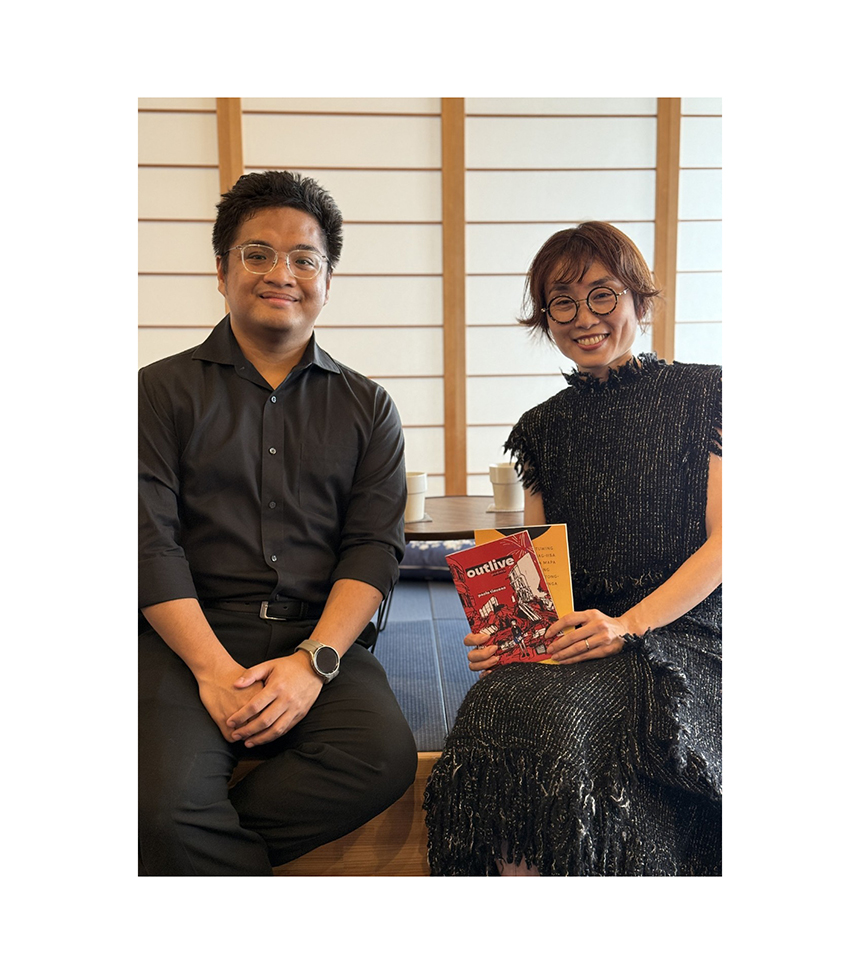
Poet Paolo Tiausas, a recipient of the Carlos Palanca Memorial Award for Literature—often described as the highest honor in Philippine literature—joined aesthetician Asa Ito for a conversation on the role of laughter in shaping practices of care in the Philippines.
- Event Report
- Talk
Event Report: “Healing Social Divisions: Learning from Indonesian Conversation Culture for the Future of Dialogue”
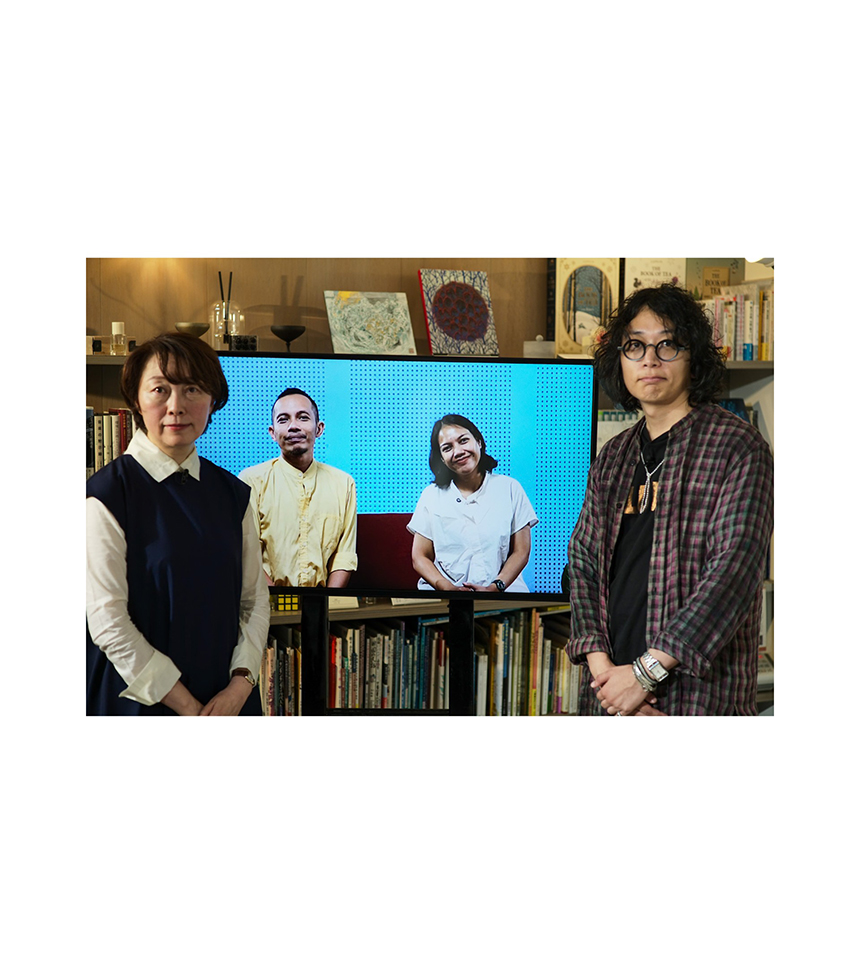
What does dialogue look like among people living together? Members of the Indonesian art collective ruangrupa, which places the open-ended conversational culture known as nongkrong at the heart of its practice, joined philosopher Heechul Ju for a discussion on conversation and care.
- Event Report
- Talk
Event Report “Rethinking the Commons Through Vietnamese Housing Complexes”
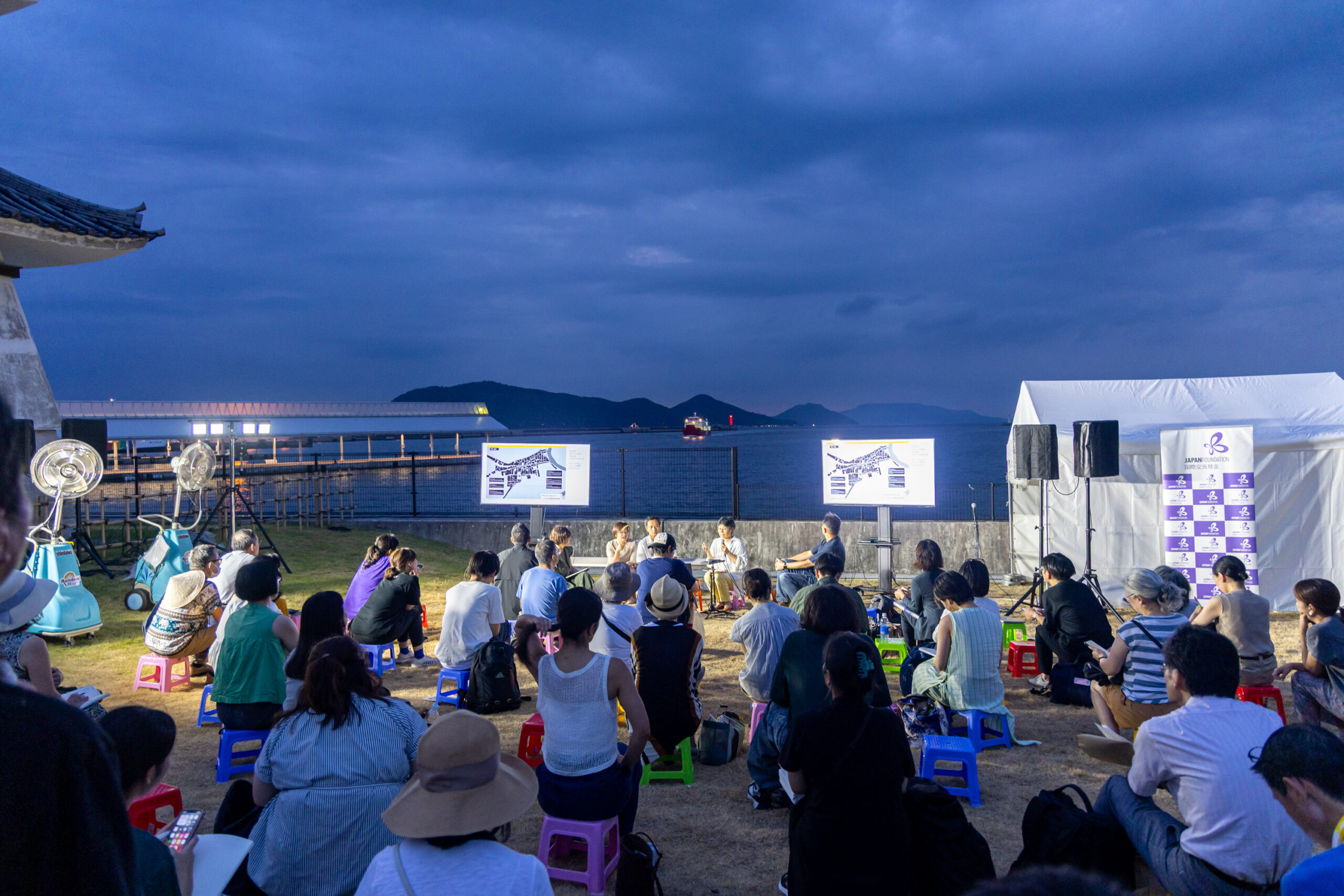
A talk about “commons”—shared land and shared resources—brought together Tuan Manh Nguyen, founder of the Vietnamese design office Kecho Collective; architect Akiko Okabe; and sociologist Tomonori Ishioka. The discussion was moderated by aesthetician Asa Ito.